Prayer Times
| Salaat | Masjid Fazl/Baitul Futuh |
| Fajr | 04:15 |
| Zuhr | 14:00 |
| Asr | 17:30 |
| Maghrib | 20:45 |
| Ishaa | 20:45 |
Updated: 11th May 2012
Published on Oct 20 2010 by Nadimur Rahman
Click Here to Download the Debate

Siobhain McDonagh (Mitcham and Morden) (Lab): Let me start by apologising for any words that I may pronounce incorrectly. No insult is intended, and I stand to be corrected on my pronunciation. For someone with a name like Siobhain McDonagh, that is quite a thing.
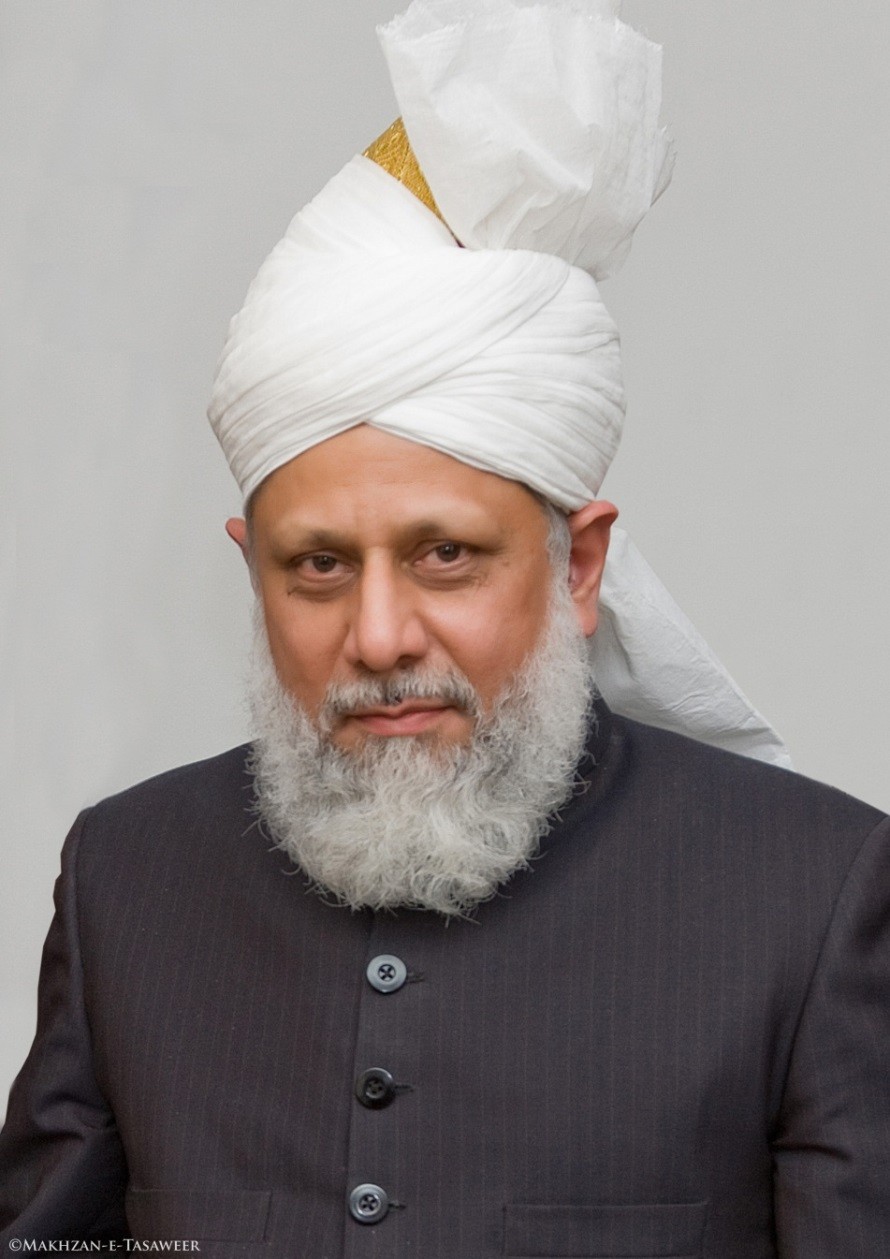
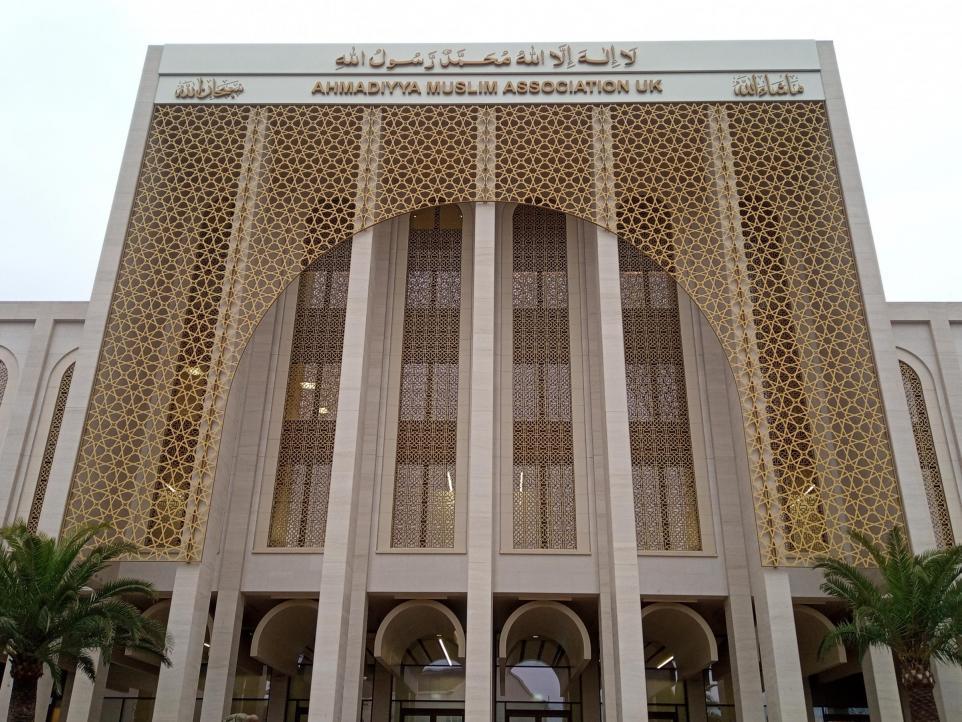
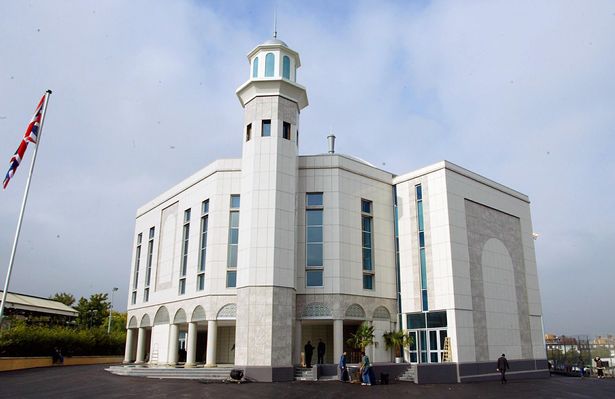
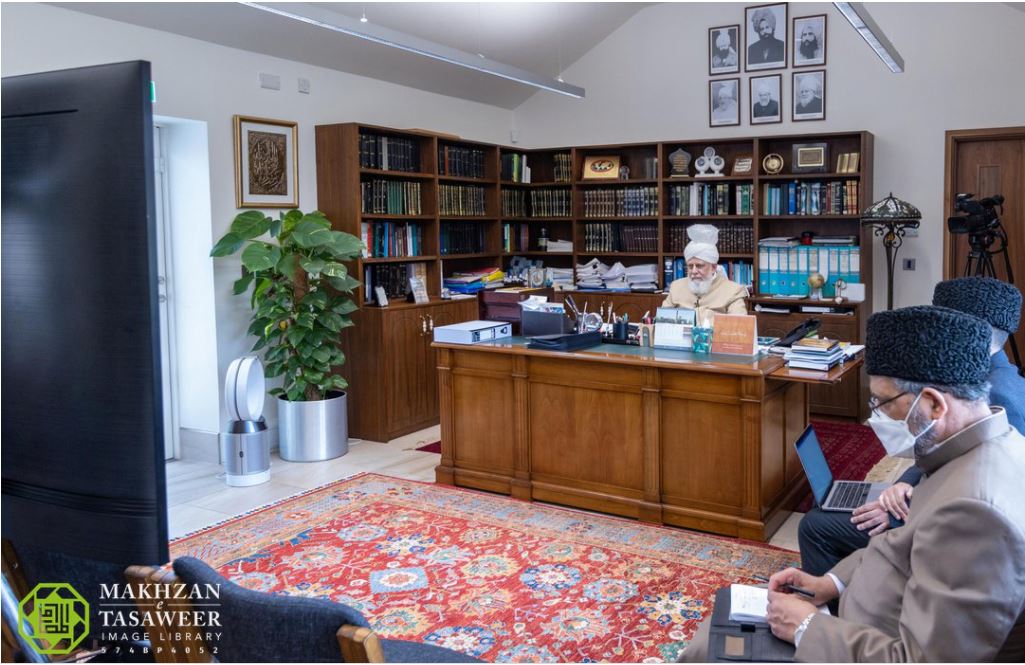
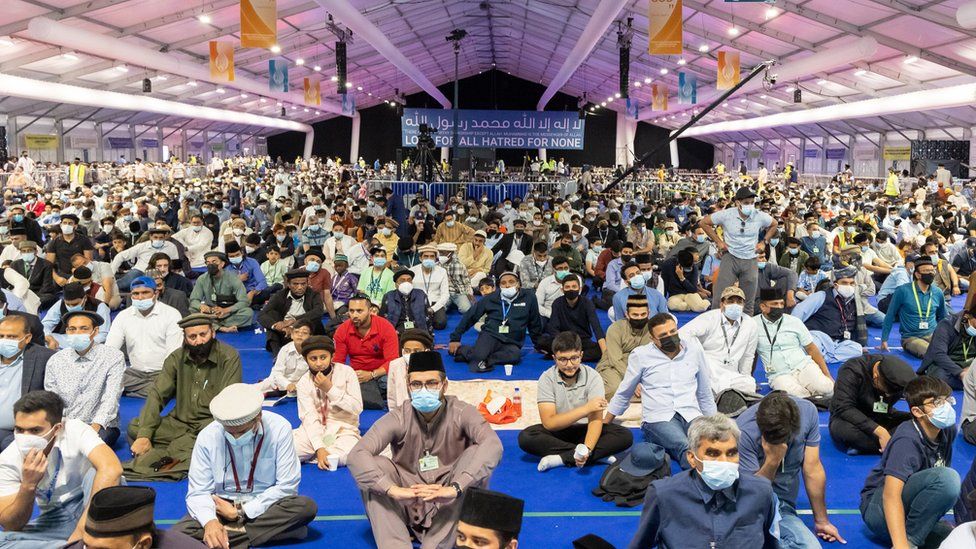
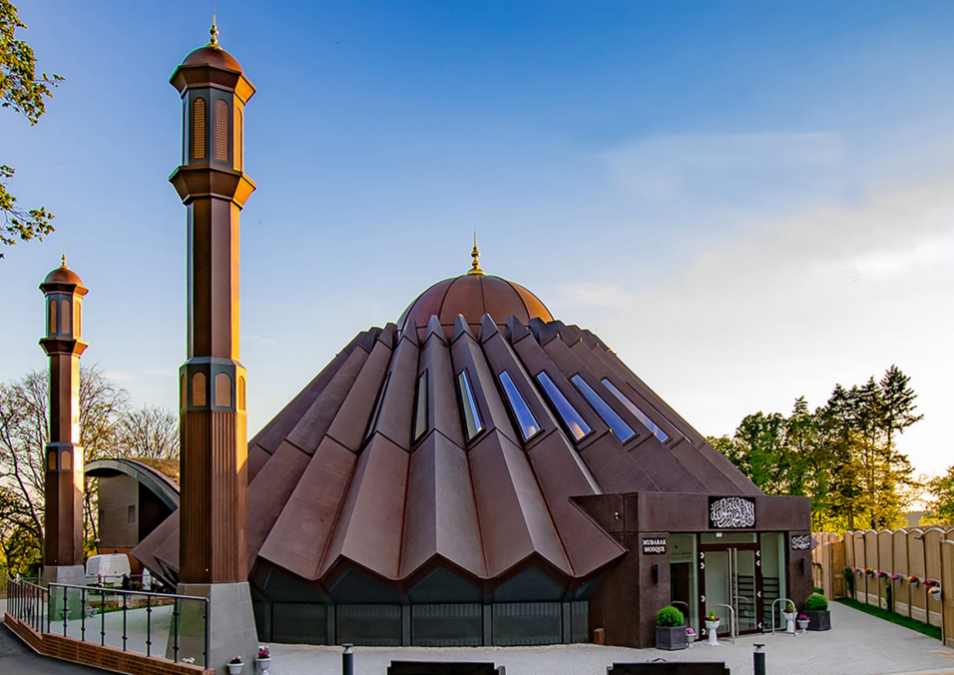
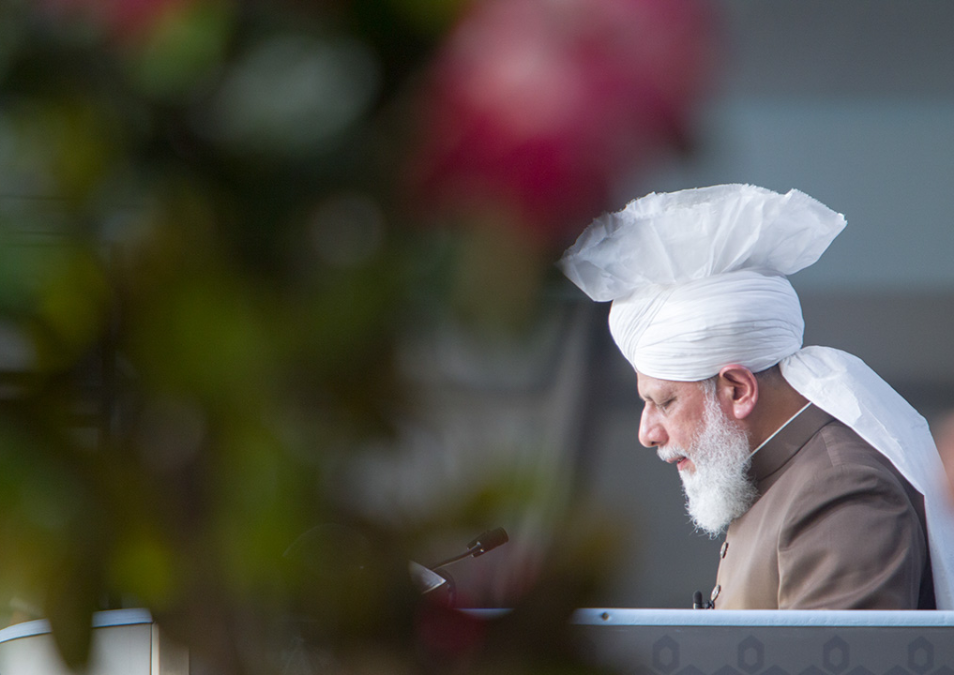
Britain's Ahmadiyya Muslims work hard and contribute greatly to this country. Their belief in peace and religious tolerance is an example to us all, and is to be expected from a community whose motto is, "Love for all and hatred for none." Their fifth spiritual head, Mirza Masroor Ahmad, lives in the United Kingdom, and their headquarters are in south London. Indeed, one of the world's biggest Ahmadi mosques is in Morden. It has capacity for 10,000 people, which means that I have many Ahmadi constituents, as do many neighbouring seats. I am pleased to say that we now have the backing of enough parliamentarians to start up an all-party parliamentary group for the Ahmadiyyan community, and we will hold our first ever meeting in the next few weeks.
In my experience, my Ahmadi constituents are well-educated, cultured and have a sophisticated and peace-loving approach. I am therefore delighted to be granted this opportunity to talk about the Ahmadiyyan community. I understand that this is the first ever parliamentary debate specifically to discuss the Ahmadiyya faith, and it is a great honour to be leading it. However, I am extremely sorry to bring this community's concerns to the House at this particular time. The circumstances that led me to ask for a debate are extremely sad. On 28 May, nearly 100 Ahmadiyya Muslim worshippers were brutally murdered in two separate attacks in Lahore. However, what makes the story especially poignant is not just the fact that the Ahmadi are so peaceful but that their murderers were also Muslim. What I hope to do today is to examine why the attacks took place, then ask whether there is anything that we in Britain and the wider community can do to prevent such atrocities happening again in the future. Finally, I want to assess what the implications are for Britain of how the Ahmadiyya community in Pakistan is treated and what we can do about it.
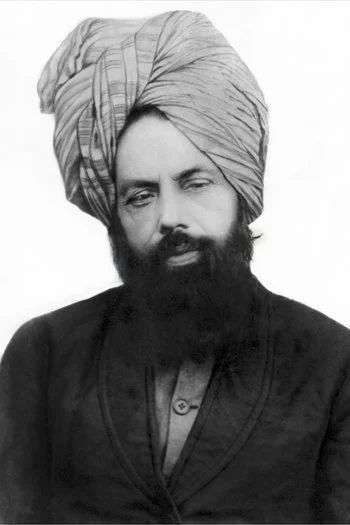
To begin, I need to say a few words of introduction about the Ahmadiyyans. Despite the fact that they have translated the holy Koran into more than 60 languages, span 195 countries and have more than 15,000 mosques and a membership exceeding tens of millions, theirs is a faith that is little known outside their community. The Ahmadiyya Muslim community was founded in 1889 and arose out of the belief that the long-awaited Messiah had come in the person of Mirza Ghulam Ahmad of Qadian. Ahmad claimed to be the metaphorical second coming whose advent was foretold by Mohammed. Obviously, that contradicts the view of mainstream Muslims who believe that Mohammed is the last prophet. Nevertheless, the Ahmadiyya Muslim community is a very peaceful religion. They believe that there are parallels between Ahmad and Jesus, as God sent both to end religious wars, contend bloodshed and bring peace. For
20 Oct 2010 : Column 285WH
instance, they reject terrorism in any form. Ahmad declared that jihad by the sword had no place in Islam. Instead, he wanted his followers to wage a bloodless, intellectual jihad of the pen to defend Islam.
In a similar vein, Ahmadis believe that theirs is the only Islamic organisation to endorse a separation of mosque and state and to champion the empowerment and education of women. Ahmad also warned his followers not to engage in irrational interpretations of the Koran or to misapply Islamic law. In Britain today, we regard such attributes as modern and tolerant. However, those values are not shared by some other Muslim traditions, particularly those with a more fundamentalist view point. For such fundamentalists, belief in a false prophet is heretical enough, but for the Ahmadiyya Muslim community also to follow teachings that fundamentalists believe are wrong is adding insult to injury. Consequently, Ahmadis have long faced persecution. Their first martyr was killed in custody in 1901, and it is estimated that there have been about 200 deaths in total. Of course, religious disagreements have cost countless lives over the years throughout the world. Religions have a long and very unhappy history of attacking each other for worshipping the wrong prophet, even much closer to home than in Pakistan.
I am a Catholic and we are as guilty as anyone. A Catholic pope promised heaven to mediaeval thugs who took part in murderous crusades against followers of a prophet whom they believed was false-Mohammed. That period of history continues to haunt us. This country is not immune to using discrimination against religions we have not liked, with Catholics on this occasion often being the victims. It is only a few years ago that I helped to change the law to allow former Catholic priests to become MPs. Although that law was a throwback to a much earlier time, there are, even in our more recent history, examples of discrimination of which we should not be proud, particularly in Northern Ireland. It is hard therefore to stand here and lecture other countries about their practices, and we need to remain humble. The fact that religions have been persecuting each other for centuries does not make it right, especially in Pakistan where extreme groups such as the Taliban are already very active in creating a lot of volatility.
We are lucky in this country in that, on the whole, our religions can carry on side by side without conflict, respecting each other's right to worship. In Pakistan, most mainstream Muslims are horrified that anything could happen to their fellow countrymen just because they have a different religion. They are as shocked as we are by attacks such as those in Lahore. However, discrimination is an everyday reality for many Ahmadis living in Pakistan, and it is embedded in the Pakistani constitution.
Pakistan's founder, Mohammad Ali Jinnah, may have said that the country should be a secular state in which all were equal and religion was no business of the state, but today's Ahmadis do not enjoy equality. Pakistan was created in 1947. In 1948, Major Dr Mahmood Ahmed was lynched by a mob at Quetta. In 1950, Ahmadis were murdered in Charsadda, Okara, Rawalpindi and Mansehra. By 1974, riots and killings, attacks on mosques, assaults, arson and looting were widespread, and the organs of the state were not neutral. The police arrested victims and not perpetrators. In September 1974, Prime Minister Bhutto amended the constitution
20 Oct 2010 : Column 286WH
and declared that Ahmadis were officially non-Muslim. That was followed in the 1980s by measures introduced by Zia ul-Haq's Government to Islamicise Pakistan's laws.
In 1984, Ordinance 20 significantly restricted Ahmadi freedom of religion or expression, threatening up to three years in jail for any Ahmadi who, for example, called themselves a Muslim. Since then, thousands of Ahmadis have been arrested. In 1989 and again in 2008, the entire 50,000 population of the Rabwah was charged with practising Islamic worship. Ahmadis are prevented from holding public meetings and are not even able to vote or to register to vote because registering to vote would require them to deny their faith. Ahmadis are barred from entry to public office except at the lowest level. In order to claim to be a Muslim on the Pakistani passport, they are forced to sign a declaration that says:
"I consider Mirza Ghulam Ahmad to be an imposter."
Persecution by the state is at times systematic. My fear is that such discrimination helps to feed the ideology of groups such as the Taliban and offers them a justification for some of their worst excesses. It does not legitimise what they do, but it might make them feel, wrongly, that they have some kind of legitimacy. Even if there was no violence, it makes Ahmadis feel threatened. Therefore, the Pakistan constitution poses a problem, as it gives some perverse encouragement to extremists and belittles the Ahmadi community.
Non-state persecution of Ahmadis is very worrying and appears to be growing. According to Pakistan's Human Rights Commission, Ahmadis face the worst treatment of anyone in Pakistan. The media there are often virulently anti-Ahmadi, broadcasting phrases such as, "Ahmadis deserve to die." In particular, the Khatme Nabuwwat movement carries out regular activities to oppose Ahmadi Muslims. It calls for the banning of Ahmadiyyat and for the killing of Ahmadis. It incites attacks against Ahmadis in speech and broadcast, and is credited with introducing the widely used phrase, "wajibul qatl" which means "those who deserve to be killed".
In the past decade, there has been an increasing number of murders and attacks of Ahmadis, and an increase in the number of pre-planned and targeted attacks on Ahmadi mosques by Islamist militants. As we know, those attacks culminated in the Lahore attacks, when two mosques were stormed in a well-planned assault that lasted for about four hours. At one stage, more than 1,000 worshippers were trapped in the Darul Zikr mosque, trying to escape militants armed with guns and grenades. The Baitun Noor mosque was also stormed in a co-ordinated attack. The multiple suicide attacks by the Punjabi Taliban took place slowly, with terrorists methodically throwing hand-grenades among their hostages and climbing the minarets to fire at them from above. When the attackers started to run out of ammunition, they began detonating their explosive vests. Although the police came, they arrived late-even after the media arrived-and the only attackers who were caught were captured by unarmed Ahmadis.
The loss of life and the prolonged and bloody siege prompted widespread condemnation and global media coverage, and it is the reason why we have asked for this debate today. Many people have been in touch with me about the outrage in Lahore. Shortly after the murders, I spoke personally with Rafiq Hayat, the head of the
20 Oct 2010 : Column 287WH
UK's Ahmadi community. I wanted him to know that I was very concerned about what had happened and I wanted to see if I could do anything more to help.
Henry Smith (Crawley) (Con): In my constituency, the attacks in Lahore in May sent a shockwave through the local Ahmadi community. However, I was very impressed that, despite that sense of shock, several months later the community displayed its altruistic and inclusive nature when it invited representatives of many different faiths in my constituency-Christian, Hindu, Sikh and Muslim-to come together for a celebration at the end of Ramadan. Is that not a great example of the way forward and of how we can include all communities together, with respect for all different faiths and religions?
Siobhain McDonagh: I totally agree with the hon. Gentleman and, as I have been arguing, such inclusiveness is the hallmark of the Ahmadi faith.
We thought that it was important that Britain send a strong message to Pakistan after the attacks in Lahore, saying that we were appalled by what had happened and that more must be done to support Ahmadi worshippers in that country. At the time of the attacks in Lahore, we were concerned that the British Government should highlight both Pakistan's duty to protect Ahmadis and the poor treatment that Ahmadis receive in Pakistan. As my right hon. Friend the Member for South Shields (David Miliband) said when he was my party's foreign affairs spokesperson:
"It is when the international community has taken its eye off the ball in Pakistan that instability has increased...Internally, Pakistan has a duty to protect minority groups and needs the support of its allies to do so."
Rafiq Hayat told me that he agreed with that sentiment and I hope that the Minister can join us in expressing the Government's views to the Pakistan Government in his speech later in the debate.
I am concerned that the discrimination against Ahmadis that is embedded in the Pakistani constitution can be construed by militants as giving them legitimacy. The Pakistani Government are already facing many difficulties with al-Qaeda and other militant groups, and the British Government need to work hard to convince them to help to fight global Islamic terrorism. As the June issue of Terrorism Monitor notes:
"As the Pakistani Taliban are trying to spread their war on the Pakistani state, they are likely to continue to target minorities like the Ahmadis in their efforts to create instability."
If we do not persuade mainstream politicians in Pakistan to stand up for the Ahmadi Muslim community, we risk further Islamicist militancy. Moreover, if the militancy continues in Pakistan, it not only threatens Ahmadis but the whole international community. After all, any increase in Islamicist activities also affects us here in the UK, so it is in our own interests for the Government to seek to persuade Pakistan's Government to show more tolerance to the Ahmadi Muslim community.
I therefore urge the Minister to ask his colleagues to raise this matter with Pakistani Ministers in the course of their regular meetings and to keep the new all-party group informed of any progress. The truth is that the Pakistani extremists' hatred of Ahmadis is already being exported. In fact, it is here in the UK today.
20 Oct 2010 : Column 288WH
Last week, south London local newspapers carried front page articles about discrimination against and intimidation of Britain's Ahmadi community. The police are appealing for information about inflammatory leaflets that have been distributed across south London, apparently by Khatme Nabuwwat, as part of a targeted ideological campaign, and they have said that an investigation into alleged hate crimes is ongoing. They have also said that a teenage Ahmadi girl gave them a statement, claiming that a leaflet that was written in Urdu said:
"Kill a Qadiyani and doors to heaven will open to you".
Another KN leaflet, entitled "Deception of the Qadiyani", was recently displayed in the window of the Sabina Hair and Cosmetic shop in Mitcham road, Tooting. When the local Guardian newspaper confronted staff at the shop to ask why they had put up the leaflet, a worker said:
"These people are not Muslims. I did it myself. They don't believe that prophet Mohammed is the last prophet."
Many Ahmadi shopkeepers are worried about the future of their businesses after clerics demanded a boycott of their shops. Imam Suliman Gani, of the Tooting Islamic Centre, apparently pleaded with the owner of the Lahore halal meat shop in Tooting not to sell his business to an Ahmadi man, saying:
"Since the Qadiyanis are routinely deceptive about their religion, there was a potential risk of Muslims being offered meat that wasn't necessarily halal."
Yet another leaflet that was posted on the wall of the Streatham mosque called for a boycott of the Lahore halal meat store.
The discrimination is increasing. An Ahmadi butcher who came to London in 2001 after fleeing Pakistan has just won an employment tribunal after being sacked by the owner of the Haji halal meat shop in upper Tooting. The owner, Azizur Rahman, had put pressure on his employee to convert to the Sunni Muslim faith. Apparently, Mr Rahman said that pressure was placed on him
"by the head of the Sunni sect who had helped Mr Rahman to gain admission for his daughters to a single sex school for girls."
Mr Rahman also claimed that he had been influenced by a conference hosted by KN at the Tooting Islamic centre in March, where worshippers were ordered to boycott Ahmadi-run shops. During that conference, the KN's Abdul Rehman Bawa said:
"I don't know why our sisters or mothers are talking with these Qadiyani and making friendships...Don't make friends with them...They are trying to deceive you, they are trying to convert you from Islam to Qadiyanism."
According to the local Guardian newspaper, the owner of one Tooting halal butchers shop said that his trade had virtually halved in three months, and claimed:
"Some people refuse to come here just because I am Ahmadi. They use words against me like 'Kafir', which means I am not Muslim. I've lived here for 13 years and lots of people know me in Tooting, but this situation has become so much worse now."
Furthermore, the Tooting Islamic centre was at the centre of another controversy, when an election hustings in April was disrupted by anti-Ahmadi protests. The Tory candidate was mistaken by a group of fundamentalists for the Liberal Democrat candidate, who is an Ahmadi, and he had to be locked into a room for his own safety.
I appreciate that not everything that appears in the newspapers is the whole truth and that the real story about anti-Ahmadi activities in this country may be
20 Oct 2010 : Column 289WH
more complicated and untypical. I also do not want to focus on Tooting any more than anywhere else, because I have lived in the Tooting area all my life and there is nowhere else in the world that I would prefer to live. My own experience is that the vast majority of mainstream Muslims are wonderful people and respect their local communities in peace.
We are still a long, long way from a Lahore-style attack happening in south London, but the emergence of anti-Ahmadi activity is a great concern. I ask the Minister to address the issue of how groups originating in Pakistan are encouraging illegal discrimination and inciting hatred in this country, and to raise it with colleagues at the Home Office and other agencies, including the police. None of us wants to see the Pakistani attacks repeated anywhere else. The Pakistani Taliban and groups such as KN have no place in a tolerant society and Ministers must exploit all this country's diplomatic skills to work with the Pakistani Government.
In the UK, most of the time, people from different religions live side by side, even though we each believe that the other worships a false prophet. I include the vast majority of the mainstream Muslim community in that. Muslims are among the most peaceful, tolerant and understanding people in our community, and I say that as a south London MP with a very diverse constituency. However, for the sake of Ahmadis here and in Pakistan we must work towards a greater understanding of the Ahmadi Muslim community.
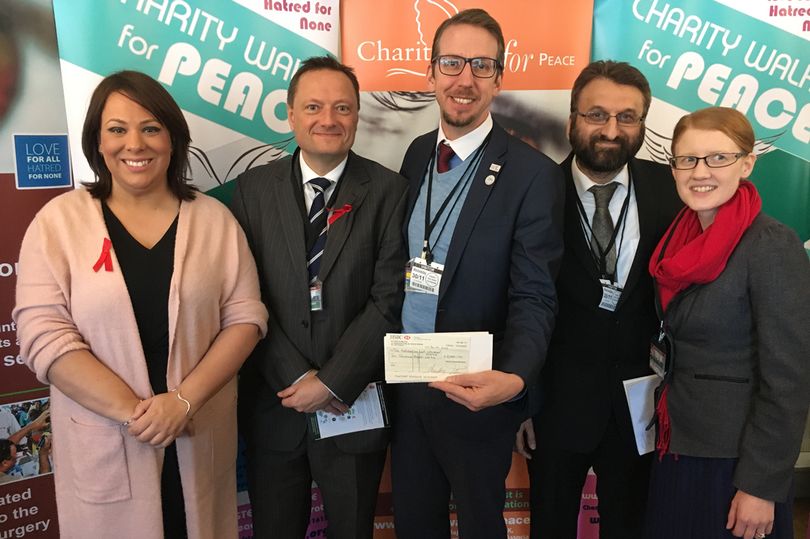
I hope that the Minister can make a commitment today to raising our concerns with his colleagues in the Home Office and the Foreign Office, with the police, with the Pakistani Government and with the Commonwealth. I also hope that our new all-party group will contribute towards a greater understanding of Ahmadis, because our aim is for the whole world to share and respect the Ahmadi slogan, "Love for all and hatred for none".
Tom Brake (Carshalton and Wallington) (LD): It is a pleasure to serve under your chairmanship for the first time, Mrs Brooke. I congratulate the hon. Member for Mitcham and Morden (Siobhain McDonagh) on securing this debate. In spite of our political differences, we often make common cause on issues. I hope that she will therefore welcome the fact that the funding for St Helier hospital has been re-announced in today's comprehensive spending review; that is a success that she can share with me and, indeed, with the Minister of State, Department of Health, my hon. Friend the Member for Sutton and Cheam (Paul Burstow). I am also pleased to make common cause with the hon. Lady in supporting the Ahmadiyya community. I support her work and welcome the fact that she is setting up an all-party parliamentary group on the issue. I am happy to be a member of that group and to facilitate its establishment.
In her opening remarks, the hon. Lady outlined well the position of the Ahmadiyya community around the world and the difficulties and risks that Ahmadiyyas face in seeking to practise their peaceful religion in various countries. Like her, I have had the pleasure of visiting the mosque in Morden. I went a couple of weeks ago with my hon. Friend the Member for Sutton and Cheam, who I know would have wanted to participate in this debate if his ministerial duties had not kept him
20 Oct 2010 : Column 290WH
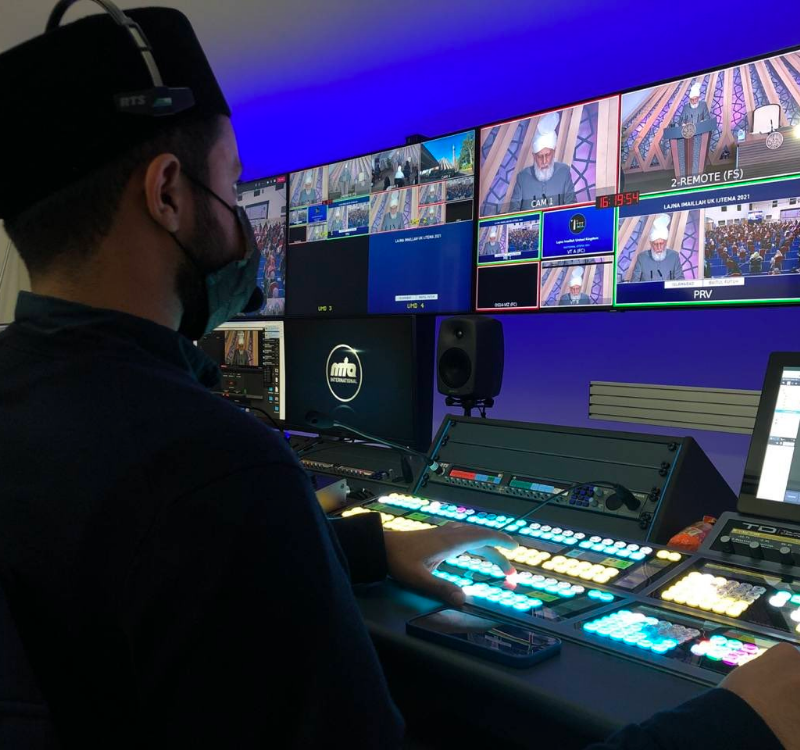
elsewhere. We talk a lot about the big society at the moment. The building of the mosque is a good example of how a community can work together and draw on the resources at its disposal. It is a mosque of great stature and presence, and it sets an example for the rest of us. Hon. Members who visit can see the library, the TV station and the facilities for both men and women to worship.
I also welcome the fact that in a similar big-society vein, the Ahmadiyya community is working locally with other faiths to secure a large open space immediately opposite the mosque for the widest possible community use. For me, that is the thing that resonates most and comes across most strongly about that community: the willingness to work with other faiths and people of no faith on issues that are important to us all. That is one of the community's strengths that we should respect, which is why it is particularly depressing that, as the hon. Lady described, Ahmadiyyas face such risks and challenges around the world and, increasingly, in the UK. I will not repeat the examples that she quoted, but I will say one thing about the incident at the Bentall centre in Kingston. Those who know Kingston will know that if people are inciting hatred and potentially putting lives at risk in the Bentall centre, we have a wider problem in the country as a whole. One could not find a more affluent middle-class environment than the Bentall centre.
When the Minister responds, will he clarify what discussions he is having with the Home Office about the issue, particularly in relation to the Prevent agenda? The Prevent agenda-it is currently under review, which I welcome-is about preventing extremism from developing within communities. It seems to me that there is a risk of that at present, and I hope that he has had or will have discussions with the Home Office about how the Prevent agenda can be brought to bear on the issue. He might also be able to comment on the YouTube clips. I do not know whether he has had an opportunity to see them; I recommend that he does so, and that he reads the translations provided. He might then want to reflect, if he has not already done so, on whether there are implications under the Racial and Religious Hatred Act 2006 for some of the statements being made.
That is where I shall leave my comments, as many other hon. Members clearly want to speak. What I have seen on YouTube seems to go beyond a discussion about the relative merits of religions, which is what I think we all want to facilitate, and the Home Office and Foreign and Commonwealth Office need to respond to that agenda. I hope that we will hear a forceful response from the Minister shortly.
John McDonnell (Hayes and Harlington) (Lab): I apologise for being absent, Mrs Brooke; I will be chairing a meeting at half-past 3, so I will miss the Front- Bench responses. I congratulate my hon. Friend the Member for Mitcham and Morden (Siobhain McDonagh) not just on securing this debate but on her continued commitment to the Ahmadiyya community over the years and her dedication to a constituency that she clearly loves, although she could relocate to Hayes.
For me, the issue is fairly straightforward. In this debate, we are setting the agenda for our new all-party group. The two issues topmost on that agenda will be
20 Oct 2010 : Column 291WH
the discrimination that might be occurring in this country and attempts to divide our communities, but the attacks in Pakistan are also an issue. Over the years, many of us have signed early-day motions on discrimination, but we are deeply shocked by the attacks in Lahore. I think the head count was 94 dead and at least 100 injured, some very seriously. The severity and scale of the attacks gave us a shock.
All parties have made representations to the Pakistani Government about discrimination against Ahmadiyyas, as did the previous and incoming Foreign Secretaries, but we still have had no movement on some key issues. First, working with Human Rights Watch, we asked for the repeal of the blasphemy laws in order to eradicate them from the Pakistani legal system. Secondly, we mentioned the failure over years to prosecute the perpetrators of attacks on the Ahmadiyya community. I am aware of no prosecution in the past 15 years in Pakistan for a serious attack on members of that community. Thirdly, we attempted to see how we could work with the Pakistani Government to combat persecution and harassment overall and understand in greater depth the motivations for such attacks. In many cases, it is small groups of extremists who perpetrate such attacks, but a culture of victimisation, persecution and discrimination against the Ahmadiyya community has also built up in Pakistan and infiltrated other communities around the world. I will welcome any Ministers who come along to the early meetings of the all-party group to report on the progress that they have made in their representations to the Pakistani Government on those three issues.
We are now encountering problems in this country. My constituency has a relatively small but active Ahmadiyya community. I convene a regular meeting of religious leaders in my community every couple of months. The Ahmadiyyas are active representatives who have involved themselves in every community campaign and every charitable act and target that we have set ourselves, ranging from getting involved in local community groups and festivals to running marathons. They are excellent contributors to the local community.
The Ahmadiyyas in my area have set up a centre in the constituency of the right hon. Member for Uxbridge and South Ruislip (Mr Randall). It has taken over the old Irish centre, of which I was a member, the Irish community there having moved elsewhere. I will miss having a pint of Guinness there, but I welcome the centre. Immediately the centre was established, it opened its doors to the wider community. We had a session there a few weeks ago on the theme, "Love for all, hatred for none" in which representatives from the local community and all religions were invited in for a genuine discussion of local issues that we should address together. It demonstrated the commitment of the Ahmadiyya community to my local area.
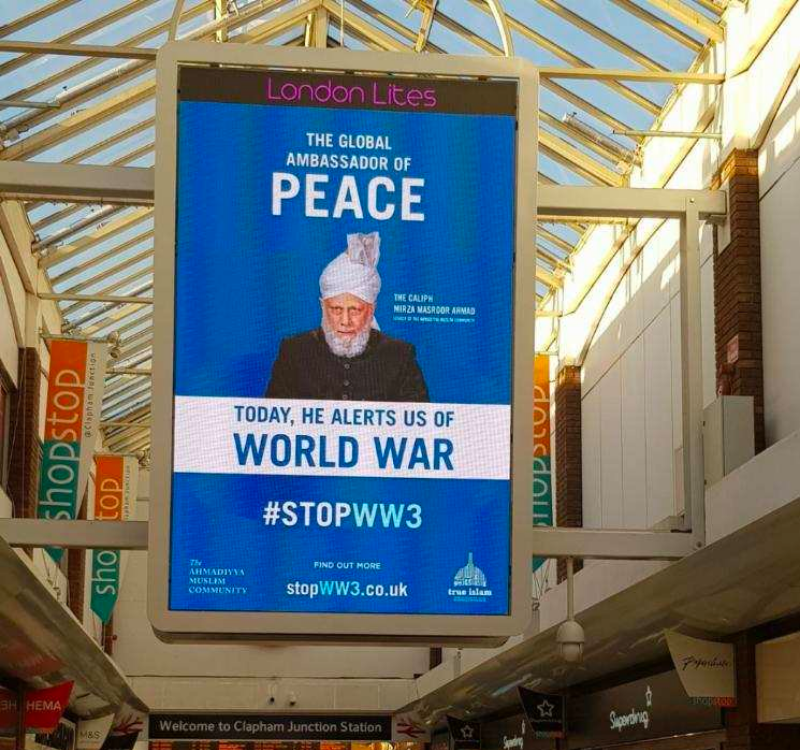
We have also launched an ad campaign in Uxbridge featuring "Love for all, hatred for none" on the sides of buses. In addition, the Ahmadiyya community leafleted every house in my constituency with a similar message of peace. In my area, all that work is establishing the Ahmadiyya community in a very close, warm and encouraging relationship with the wider community. However, there are real fears about what has happened
20 Oct 2010 : Column 292WH
in south London and that the situation will infect the wider community, resulting in further victimisation, discrimination and, indeed, persecution of the Ahmadiyya community in this country.
For that reason, I hope that the second item on our all-party group agenda will be about receiving a report back from Ministers on the issues surrounding liaison, through the Home Office, with the Metropolitan police. What monitoring of these activities is going on, and what intelligence do we have? We then need to consider how to devise a strategy to deal with the matter. The problems under discussion are based on profound ignorance, which some elements within our society are willing to exploit to their advantage. If we can nip that in the bud at the earliest opportunity, combating discrimination against the Ahmadiyya community may shine as an example that could well provide us with lessons we can learn from in relation to Pakistan and elsewhere.
Jane Ellison (Battersea) (Con): I congratulate the hon. Member for Mitcham and Morden (Siobhain McDonagh) on securing an important and timely debate. In my constituency of Battersea, like so many London seats, there are communities of people who have come to the UK from all over the world-some many decades ago and some more recently. During the four years that I was a candidate and in the five months that I have been an MP, I have met and visited a number of different faith communities to get to know them and understand their concerns. The Ahmadi are one of those communities.
Although I was previously unfamiliar with the beliefs and traditions of the Ahmadiyyan faith, from my first introduction to the community I have been made very welcome and kept well informed. I am grateful to the Ahmadiyyan national president Mr Rafiq Hayat, my local Battersea president Mr Tariq Uppal and my friend Tariq Ahmed for the efforts they and others have made to keep me briefed about issues of interest and concern. I am also grateful to them for ensuring that I know more about the Ahmadi and the important role that they play in the life of this country and my local community.
The London mosque, a very long established place of worship and the site of the head office of the Ahmadiyyan Muslim Community UK, is in my neighbouring constituency of Putney. The Economic Secretary to the Treasury, my hon. Friend the Member for Putney (Justine Greening), is currently in the main Chamber, but she has a long-standing and positive relationship with the Ahmadi community and is taking a close interest in this afternoon's debate.
I was aware of the long-standing tension that exists between some other Muslim faith groups and the Ahmadi Muslim community, especially in Pakistan where-as has been mentioned-persecution of the Ahmadis is, sadly, written into the constitution. However, it was still a huge shock and very distressing to hear of the Lahore massacres in May. They have been described already. Those worshippers were murdered with grenades, suicide vests and automatic weapons. As we heard, many people were killed and injured. Tragically, a local Putney resident-a much-loved husband and father, Mr Muhammad Bilal-was one of those people murdered.
20 Oct 2010 : Column 293WH
Although one of our fellow citizens was caught up in the dreadful events in Lahore, it is always tempting to look at bad things happening in a foreign land and hope that we might somehow be insulated from them. We might be tempted to think that such events spring from a tradition very different from our own and that it could not happen here. However, this country has long-standing and very close political and diplomatic ties with Pakistan, which have been reinforced through the bonds of friendship and family over many decades. That has been manifested in many positive ways. Most recently, there has been a hugely generous response from the British people to the devastating floods that affected millions of people in Pakistan.
However, there have also been some less welcome developments that have resulted in part from the ongoing close ties of culture and religion between Pakistan and its diaspora. The Ahmadi Muslim community in the UK has noticed that disturbing trend in the months since the Lahore massacres. As has been alluded to, the persecution of Ahmadis has intensified in tone and frequency around our country, particularly in south-west London. There have been the incidents described today of intimidation during the general election, and posters and leaflets with aggressive and derogatory messages have appeared around the area. I have been shown images of posters put up in Scotland that denounce Ahmadis as infidels and publish their place of worship. That leaves those observing the poster to read between the lines.
As the hon. Member for Mitcham and Morden has said, many local newspapers, including the Wandsworth Guardian, have reported on organised boycotts of Ahmadi- owned businesses. Much of the written material that has appeared treads a conscious line between what is illegal and what is merely very unpleasant. A recent Ofcom investigation into provocative broadcasts by faith-based satellite TV channels was hampered by uncertainty about where some programmes had been shown. Translation has also sometimes proved a problem, with the exact nuances of some terms often disputed, even though the intent is obvious. I ask my hon. Friend the Minister to keep a close liaison with the Secretary of State for Culture, Media and Sport with regard to broadcasting guidelines to ensure that loopholes are not exploited in such a way. I am certainly confident that we are not talking about restricting the right of free speech; we are talking about ensuring that people do not exploit loopholes to do the very opposite of the notion of free speech.
Whatever the details of individual events, we do not have to read too far between the lines to see that a deeply worrying trend is developing. Throughout history, we have seen where such trends have led. Indeed, we are reminded by the origins of the word "boycott" of the sectarian divisions that have scarred Ireland for many centuries. We must speak out now against persecution at home and abroad. Rather than keep our silence or let things be too low key, we must speak out before it is too late and further tragedies take place abroad or here.
I do not know, and actually I do not care, about the doctrinal differences that underpin so much of this unpleasant activity. I care about this country's tradition of religious tolerance, which we were rightly reminded earlier is still evolving and is not perfect. Nevertheless, we can take some pride in it. That tradition must
20 Oct 2010 : Column 294WH
embrace and protect the Ahmadi community, as it has protected other religious groups before. It is a tradition of religious tolerance that we urge Governments around the world to adopt and that our own Government should encourage at all times. I am sure the Minister will touch on that.
In the UK, I welcome the measures already taken by the borough commander of Wandsworth police to investigate what is happening in my local community. That investigation was urged by my hon. Friend the Member for Putney and others, and is supported by Wandsworth council, as well as many councillors and community leaders. There is more that can and should be done by all Members of Parliament to give leadership to attempts to combat rising intolerance. I will certainly be playing my part, and I am glad that this debate has offered us all the opportunity to draw attention to this very grave matter.
Nic Dakin (Scunthorpe) (Lab): I will contribute briefly to the debate, because most of the points have already been very well made by other hon. Members. I represent Scunthorpe county constituency. Picking up the point that my hon. Friend the Member for Mitcham and Morden (Siobhain McDonagh) made in initiating the debate, prejudice is unfortunately something that we must live and work with in all our communities and get the better of through tolerance.
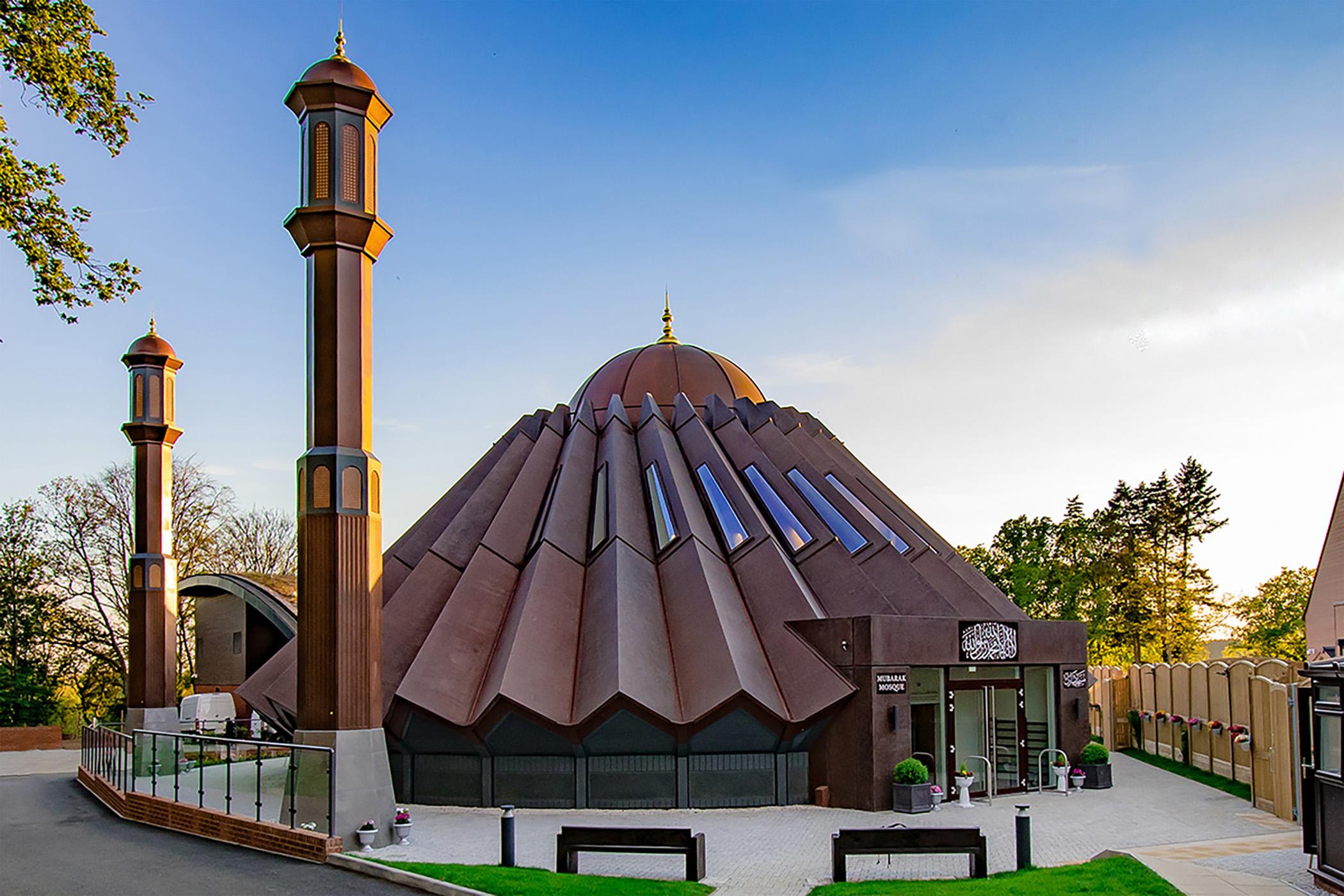
A few years ago, an Ahmadi community came to Scunthorpe and applied for planning permission for a mosque. That drew huge objections from the local community. However, the planning application was perfectly correct and went through. The mosque was built and those who lived in the community got on with their lives. A few months after the mosque had been established and opened, the neighbour who had led the series of objections knocked on the door of the mosque. They said to the person who answered the door, "I just wanted to apologise for having led that process of objection because you have been fantastic neighbours. You contribute to the community and we are proud to have you as our neighbour."
That little story demonstrates the way in which prejudice is often overcome by people living together and becoming more knowledgeable about each other. The sadness of the situation in Pakistan is that that does not appear to be the case. I agree with the comments already made: whatever the British Government can do in working with the Pakistani authorities to try to address the concerns about intolerance and violence towards the Ahmadi community in Pakistan would be very welcome. We must be ever-vigilant in this country to ensure that our tradition of religious tolerance is protected and celebrated. We must also ensure that the incidents that we have sadly heard about this afternoon and that have been reported more recently in the press do not increase. We must ensure that such incidents lessen, so that there is an increased growth in tolerance. Thank you for letting me contribute to the debate, Mrs Brooke.
Annette Brooke (in the Chair): Would any other hon. Member like to make a contribution? If not, I call John Spellar.